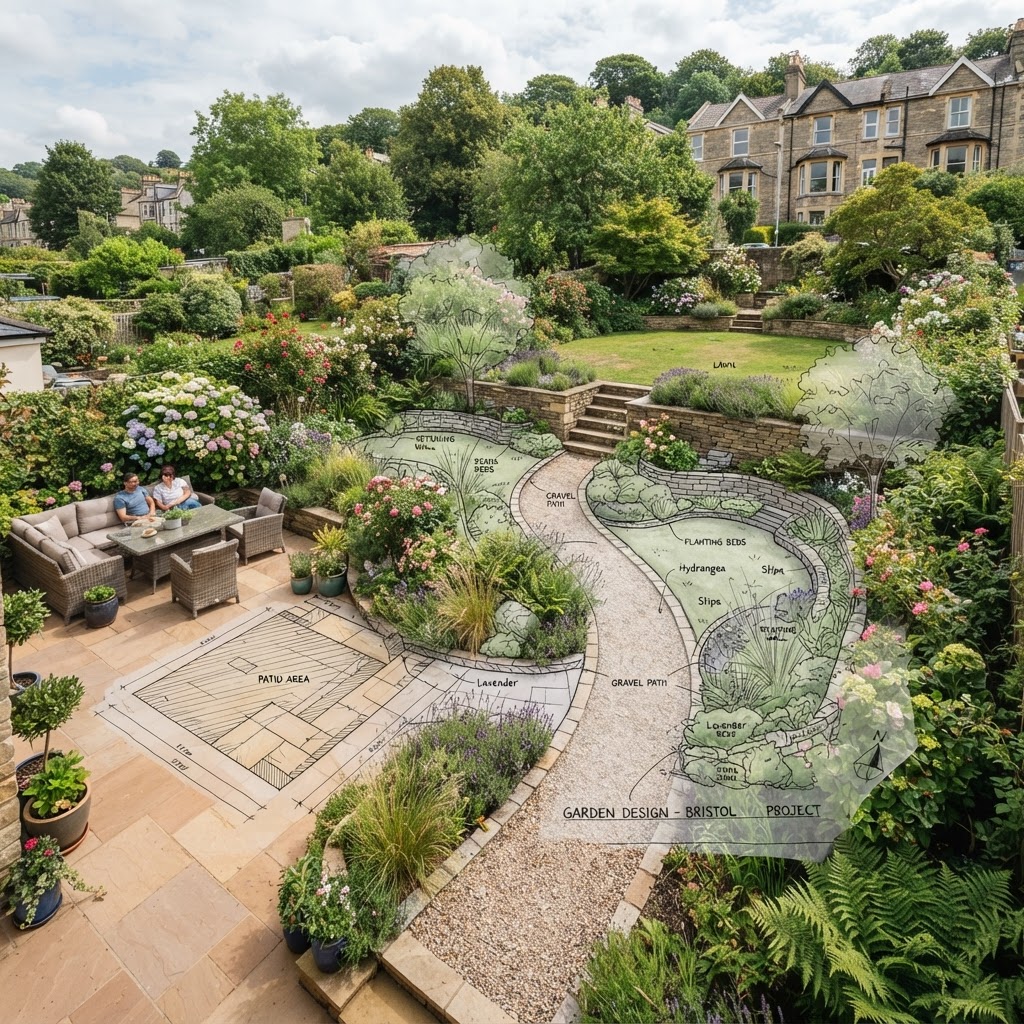
The Bristol Landscaping Guide
Everything you need to know about landscaping in Bristol — from soil types and drainage to seasonal timing and budgeting.
When to Landscape in Bristol
Timing matters. Here's what works best in each season.
Spring (Mar–May)
Ideal for turfing, planting, and starting major projects. Ground is soft enough to work but not waterlogged. Book early — it's our busiest season.
Summer (Jun–Aug)
Perfect for patio and paving installation. Dry conditions mean faster curing times. Water new turf and plants regularly during dry spells.
Autumn (Sep–Nov)
Great for groundwork and drainage projects. Soil is still workable, and it's a good time to plant before winter dormancy.
Winter (Dec–Feb)
Suitable for hard landscaping like retaining walls and fencing. Avoid laying turf or pouring concrete in freezing conditions.
Expert Landscaping Tips
Practical advice from our team, tailored to Bristol gardens.
Understand Your Soil
Bristol's soil varies dramatically. Clifton has limestone bedrock, while Bishopston and Fishponds have heavy clay. Your soil type affects drainage, plant choice, and whether you need imported topsoil. A simple soil test kit from any Bristol garden centre will tell you your pH and type.
Plan for Drainage
Bristol's sloping terrain — especially in areas like Clifton, Cotham, and Totterdown — means drainage is critical. Always include a fall on patios (1:60 minimum) and consider a soakaway or channel drain. Don't let surface water pool against your house foundations.
Choose the Right Plants
Opt for plants suited to Bristol's climate. Clay soil suits plants like asters, daylilies, and elderberry. For free-draining soil, try lavender, rosemary, and salvia. Native plants support local wildlife and need less watering once established.
Think About Maintenance
Be realistic about how much time you'll spend maintaining your garden. Porcelain paving needs almost no upkeep, while natural stone needs sealing. Artificial turf eliminates mowing but needs occasional brushing. Plan for the level of maintenance you're actually willing to do.
Maximise Small Spaces
Many Bristol gardens — especially in Southville, Montpellier, and St Werburghs — are compact. Use vertical planting, built-in seating with storage, and multi-level decking to create the illusion of more space. Light colours on paving and walls also help.
Budget Realistically
A quality patio installation in Bristol typically costs £80–£150 per m² including materials and labour. Block paving driveways range from £70–£120 per m². Always budget 10–15% extra for unexpected ground conditions — Bristol's soil can throw surprises.
Your Project Checklist
Before starting any landscaping project in Bristol, tick off these essentials.
- Check your soil type and drainage conditions
- Verify if you need planning permission (especially for front gardens)
- Check for conservation area or listed building status
- Identify any Tree Protection Orders (TPOs) on your property
- Set a realistic budget with a 10–15% contingency
- Plan access for materials and equipment
- Consider utility locations — avoid digging over gas, water, or electric lines
- Think about long-term maintenance, not just the finished look
Ready to Transform Your Bristol Garden?
Let our experienced team bring your landscaping vision to life. Get a free quote today.